

Introduction
The term jongking has recently attracted attention across search engines, social media platforms, and online discussions. Many people encounter the word and immediately wonder whether it is a real word, a surname, a brand, or a modern internet trend. Because information about it can be confusing, users often search for a clear explanation that separates facts from speculation.
In simple terms, jongking is generally understood as a variation of the Dutch surname Jongkind, a name historically associated with youth, growth, and artistic heritage. While the spelling itself is not commonly found in traditional dictionaries, it has developed a presence in digital spaces where alternative spellings, usernames, and creative identities frequently emerge. Understanding jong king helps explain why the term continues to appear across modern online platforms.
What Is Jongking?
Jongking is not widely recognized as a formal English word. Instead, it is most commonly viewed as a spelling variation or digital adaptation of the Dutch surname Jongkind. As language evolves online, alternative spellings often gain popularity through social media, search trends, gaming communities, and personal branding efforts. This appears to be one of the primary reasons the term continues to attract attention.
Many internet users discover jong king through usernames, online profiles, creative projects, or search queries. Because the word sounds distinctive and memorable, it naturally generates curiosity. Its uncommon nature also makes it appealing for branding and digital identity purposes, where uniqueness often contributes to visibility and recognition.
The Origin and Meaning of Jongking
To understand jong king, it helps to examine its linguistic roots. Researchers generally connect the term to the Dutch surname Jongkind. In Dutch, the word “jong” means young, while “kind” means child. Combined, the original surname carries the meaning of “young child” or “young person.”
This meaning gives the term a positive and uplifting association. Concepts such as youth, growth, fresh beginnings, learning, and possibility are often connected to the original meaning. These themes continue to resonate with modern audiences because they represent universal human experiences that transcend cultural boundaries.
The Connection Between Jongking and Jongkind
One of the most important facts about jong king is its relationship to Jongkind. Many online searches involving the term ultimately lead back to discussions of the historical surname. The variation likely emerged through typing differences, pronunciation changes, online content creation, and the natural evolution of language in digital environments.
Digital communication frequently creates new word forms. A slight spelling adjustment can transform a traditional surname into a modern username, brand name, or online identity. This process helps explain how jong king has developed a distinct presence while remaining connected to its historical roots.
Historical and Cultural Background
Names have always carried cultural significance. Across Europe, surnames often originated from occupations, locations, physical characteristics, or family relationships. The surname Jongkind belongs to a broader tradition of names that describe age, status, or family roles within communities.
Over generations, surnames became permanent family identifiers. Even when their original meanings faded from everyday awareness, the historical significance remained. Understanding this context provides valuable insight into why terms related to Jongkind continue to generate interest among historians, genealogists, and language enthusiasts.
Jongking in Art and Creative Circles
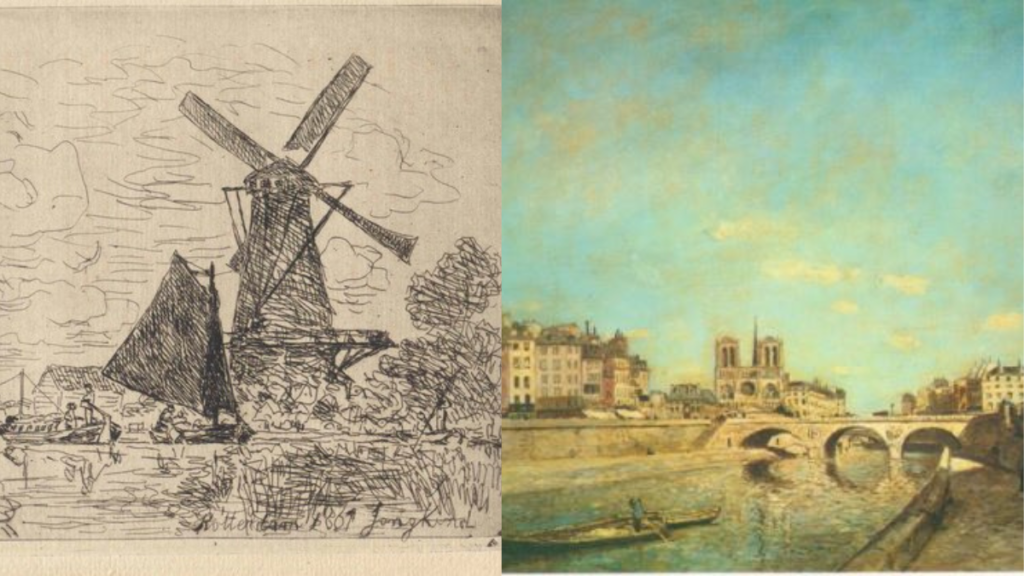
The historical significance of the original surname is closely linked to Johan Barthold Jongkind, a respected Dutch painter who influenced the development of Impressionism. His work focused on landscapes, water scenes, natural light, and outdoor environments, helping shape artistic movements that transformed European painting.
Art historians often recognize Jongkind as an important influence on artists such as Claude Monet. Because of this connection, variations like jongking sometimes appear in discussions related to art, creativity, and cultural heritage. The association with artistic innovation contributes to the term’s continued appeal.
Why Jongking Is Gaining Attention Online
One reason jongking attracts online attention is its uniqueness. Search engines tend to highlight uncommon terms because users are curious about their meaning, origin, and usage. Additionally, people frequently encounter unfamiliar words through social media posts, usernames, gaming profiles, and digital communities.
Another factor is the growing popularity of distinctive personal brands. In an era where millions of usernames already exist, people often seek memorable alternatives that stand out. Jong king offers a combination of originality, positive associations, and easy pronunciation, making it attractive for digital identity purposes.
Modern Uses of Jongking
Today, jongking appears in several modern contexts. It may be used as a username, online alias, creative project title, personal brand, or social media handle. Individuals often choose uncommon words because they are easier to secure across multiple platforms and can help establish a recognizable identity.
The term also appeals to entrepreneurs, artists, and content creators. Unique names often perform well in digital marketing because they are easier to remember and less likely to be confused with competitors. As a result, words like jongking can gain value beyond their original linguistic meaning.
Common Misconceptions About Jongking
One common misconception is that jongking is an officially recognized dictionary word. While it appears frequently online, evidence suggests it functions primarily as a variation of the surname Jongkind rather than a standalone term with an independent historical definition.
Another misunderstanding is that the term has a single universal meaning. In reality, context plays an important role. Some people encounter it through art-related discussions, while others see it as a username or brand name. These different contexts contribute to varied interpretations and occasional confusion.
The Future of Jongking in Digital Culture
Language evolves continuously, especially in online environments. Terms that begin as variations, nicknames, or alternative spellings sometimes develop independent identities over time. Jongking represents an example of how digital communication can influence language and create new forms of expression.
As social media, gaming, content creation, and personal branding continue expanding, unique terms are likely to remain valuable. Whether jongking becomes more widely recognized or remains a niche term, its growth reflects broader trends in internet culture and digital identity formation.
Why Understanding Jongking Matters
Understanding jongking is valuable because it illustrates how language adapts to changing technologies and communication patterns. Words, names, and identities evolve when people use them in new contexts. Studying these developments provides insight into both linguistic change and digital culture.
The term also highlights the importance of researching unfamiliar concepts before drawing conclusions. A simple search can reveal connections to history, art, culture, and language that might otherwise remain hidden. This deeper understanding enhances digital literacy and encourages informed exploration.
Conclusion
Jongking is a fascinating example of how traditional names can evolve within modern digital environments. While it is generally viewed as a variation of the Dutch surname Jongkind, the term has developed its own online presence through branding, creative projects, usernames, and internet discussions.
Its associations with youth, growth, creativity, and historical significance help explain why it continues to attract attention. Whether encountered through art history, social media, or search engines, jongking demonstrates how language remains dynamic and constantly evolving in the digital age.
FAQs
What does jongking mean?
Jongking is generally considered a variation of the Dutch surname Jongkind. The original surname combines words meaning “young” and “child,” creating associations with youth, growth, and new beginnings. While jongking is not a standard dictionary word, it has developed visibility through digital platforms and online communities.
Is jongking a real word?
Jongking is not widely recognized as an official dictionary term. Most evidence suggests it originated as a variation of the surname Jongkind. Despite this, it is commonly used online in usernames, branding, and creative projects, giving it practical significance in modern digital culture.
Is jongking related to art history?
Yes. The term is connected indirectly to the surname of Johan Barthold Jongkind, a Dutch painter who influenced the Impressionist movement. His artistic legacy contributes to ongoing interest in related names and spellings.
Why do people search for jongking?
People often search for jongking after encountering it online. Curiosity about its meaning, origin, pronunciation, and usage drives search interest. Its unusual appearance naturally encourages further investigation.
Can jongking be used as a brand name?
Yes. Because it is distinctive and memorable, jongking can function effectively as a brand name, username, or online identity. Many creators prefer unique names that are easier to search and recognize.
What is the difference between jongking and Jongkind?
Jongkind is a historical Dutch surname with documented origins. Jongking is generally viewed as a modern variation or alternative spelling that emerged through digital communication and online usage.
Read More About: blogcrafters.co.uk