

Introduction
In a world that often rewards extremes, the concept of wasatha offers a refreshing and practical alternative. Many people struggle to balance their careers, family responsibilities, finances, health, and personal goals. The result is often stress, burnout, and a feeling that life is moving too fast. This is where wasatha becomes increasingly valuable. It promotes moderation, fairness, balance, and thoughtful decision-making in every area of life.
The growing interest in wastha reflects a broader desire for stability and well-being. Whether someone is trying to improve relationships, manage work-life balance, or develop healthier habits, the principle provides a useful framework. Understanding wastha can help people make wiser choices, reduce unnecessary stress, and create a more sustainable path toward success and happiness.
What Is Wasatha?
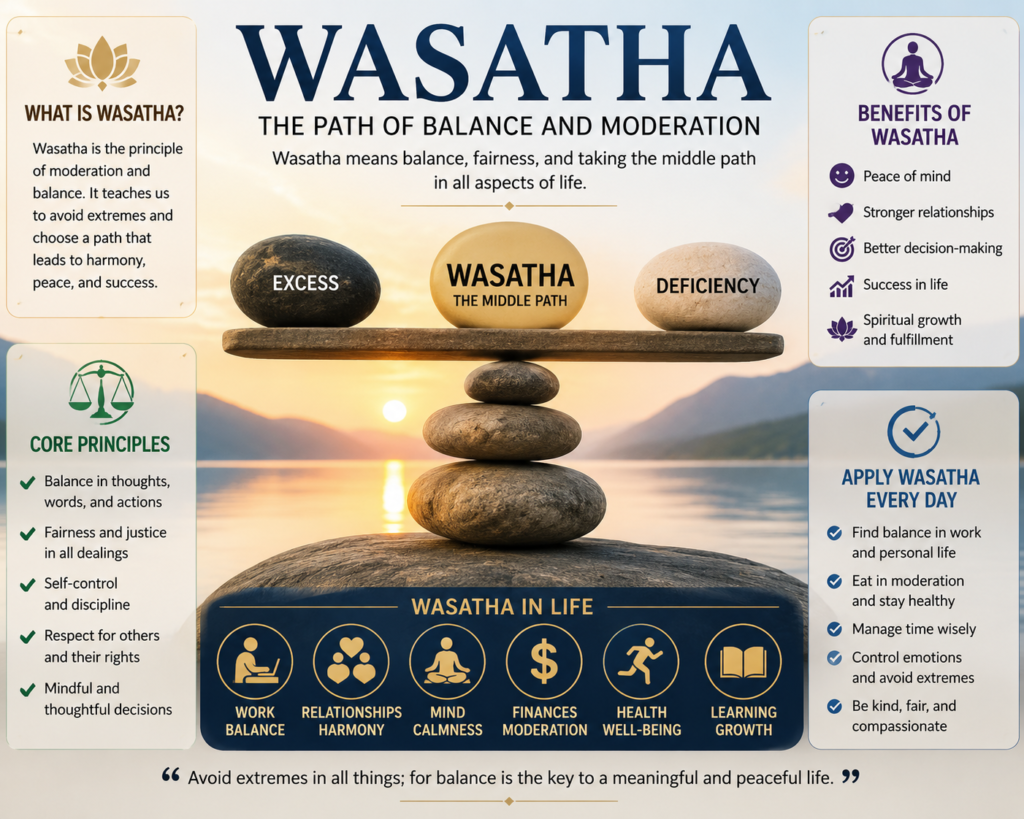
Wasatha is a concept that emphasizes moderation, balance, and avoiding extremes. It encourages individuals to choose a middle path that promotes long-term well-being rather than short-term excesses. The idea can be applied to behavior, decision-making, lifestyle choices, and interpersonal relationships. Instead of focusing on one area of life at the expense of another, wastha encourages harmony and equilibrium.
In practical terms, wasatha means finding a healthy balance between competing priorities. For example, a person may strive for career success while still making time for family, health, and personal growth. This balanced approach reduces the risk of burnout and creates a more fulfilling life. Because of its flexibility and practicality, wastha remains relevant across different cultures, professions, and age groups.
The Historical and Cultural Origins of Wasatha
The concept of wastha has deep roots in historical traditions that value moderation and fairness. Throughout history, philosophers, scholars, and community leaders have recognized that extreme behavior often produces negative consequences. As a result, many cultures developed principles that encourage balanced thinking and responsible decision-making.
Over time, wasatha evolved into a broader philosophy that can be applied to modern life. Although its historical origins are important, its value extends far beyond tradition. Today, people from various backgrounds use similar principles to navigate complex social, economic, and personal challenges. The continued relevance of wastha demonstrates the timeless appeal of moderation and thoughtful living.
Core Principles Behind Wasatha
One of the key principles of wasatha is balance. Rather than pursuing excessive ambition or complete withdrawal, individuals are encouraged to seek sustainable progress. Balance helps people maintain physical health, emotional stability, and meaningful relationships while still pursuing important goals.
Another important principle is fairness. Wasatha promotes objective thinking and encourages individuals to consider different perspectives before making decisions. This approach helps reduce conflict, improve communication, and foster stronger connections with others. By combining moderation with fairness, wastha creates a practical framework for personal and social success.
Why Wasatha Matters in Modern Society
Modern society often promotes constant productivity, competition, and consumption. While these forces can drive innovation and achievement, they can also create significant pressure. Many individuals feel overwhelmed by the demands of work, technology, and social expectations. Wastha provides a valuable counterbalance by encouraging thoughtful choices and sustainable lifestyles.
The rise of digital technology makes wastha even more important. People are constantly exposed to information, notifications, and online opinions. Without balance, it becomes easy to experience information overload and emotional fatigue. Applying the principles of wasatha helps individuals set healthy boundaries and focus on what truly matters.
Wasatha and Personal Growth
Personal development is most effective when approached with balance. Some people become so focused on achievement that they neglect their physical health or relationships. Others avoid challenges altogether and struggle to reach their potential. Wastha encourages a balanced approach that supports both ambition and well-being.
By applying wasatha to personal growth, individuals can create realistic goals and sustainable habits. This approach promotes steady progress rather than dramatic but short-lived changes. Over time, these consistent efforts often produce better results and greater satisfaction than extreme attempts at self-improvement.
The Connection Between Wasatha and Mental Wellness
Mental wellness depends heavily on balance. Excessive stress, unrealistic expectations, and emotional extremes can negatively affect psychological health. Wasatha encourages individuals to maintain perspective, practice self-awareness, and respond to challenges with patience and resilience.
People who embrace wasatha often develop healthier coping mechanisms. Instead of reacting impulsively to setbacks, they learn to evaluate situations carefully and respond thoughtfully. This balanced mindset can reduce anxiety, improve emotional regulation, and contribute to long-term mental well-being.
How Wasatha Improves Relationships
Healthy relationships require understanding, communication, and compromise. Wastha supports these qualities by encouraging fairness and moderation in interactions with others. Rather than insisting on personal preferences at all times, individuals learn to consider different viewpoints and seek mutually beneficial solutions.
This approach can strengthen family relationships, friendships, and professional partnerships. When people practice wasatha, they are often better equipped to resolve conflicts, build trust, and maintain positive connections. As a result, relationships become more stable and fulfilling over time.
Wasatha in Business, Leadership, and Decision-Making
Business leaders frequently face complex decisions involving risk, opportunity, and competing priorities. Wastha provides a useful framework for evaluating options and avoiding extreme responses. Balanced decision-making often leads to better outcomes because it considers both short-term and long-term consequences.
Effective leadership also requires moderation and fairness. Leaders who practice wasatha are more likely to create positive workplace cultures, encourage collaboration, and build trust among employees. These qualities contribute to stronger organizations and more sustainable success in competitive environments.
Practical Ways to Apply Wasatha Every Day
Applying wasatha does not require major lifestyle changes. Small daily actions can make a significant difference. For example, individuals can establish healthy boundaries around work, schedule time for family activities, and prioritize physical and mental health. These habits support a more balanced and fulfilling lifestyle.
Another practical strategy involves mindful decision-making. Before making important choices, people can evaluate potential consequences and consider whether their actions align with long-term goals. This simple practice helps reinforce the principles of wastha and encourages greater self-awareness.
Common Misunderstandings About Wasatha
Some people mistakenly believe that wasatha discourages ambition or achievement. In reality, the concept does not oppose success. Instead, it encourages individuals to pursue goals responsibly while maintaining balance in other areas of life. Sustainable achievement often depends on moderation rather than constant intensity.
Another misunderstanding is that wastha promotes passivity. The principle actually supports thoughtful action and informed decision-making. It encourages individuals to engage actively with life’s challenges while avoiding unnecessary extremes. This balanced approach can lead to stronger results and greater personal satisfaction.
The Future Relevance of Wasatha
As society becomes increasingly fast-paced and interconnected, the importance of wasatha is likely to grow. People continue searching for ways to manage stress, improve well-being, and create meaningful lives. The principles of balance and moderation offer practical solutions to many modern challenges.
Future generations may find wastha especially valuable as technology continues to transform daily life. By encouraging thoughtful choices and sustainable habits, the concept can help individuals maintain stability and resilience in an ever-changing world. Its timeless wisdom ensures that it will remain relevant for years to come.
Conclusion
Wasatha represents far more than a simple idea about moderation. It offers a comprehensive framework for achieving balance, improving well-being, strengthening relationships, and making better decisions. In a world often driven by extremes, the principle provides a practical path toward stability and sustainable success.
Whether applied to personal growth, mental health, leadership, or everyday choices, wastha encourages individuals to pursue harmony and thoughtful living. By embracing this balanced approach, people can create healthier, more meaningful, and more fulfilling lives for themselves and those around them.
FAQs
What does wasatha mean?
Wasatha refers to balance, moderation, fairness, and avoiding extremes. It encourages individuals to choose a middle path that promotes long-term well-being and sustainable success. The concept can be applied to personal development, relationships, work, health, and decision-making. By practicing wastha, people can create a more balanced and fulfilling life while reducing unnecessary stress and conflict.
Why is wasatha important today?
Wasatha is important because modern life often encourages extremes in work, technology use, spending habits, and personal expectations. These pressures can contribute to burnout and dissatisfaction. The principles of balance and moderation help individuals manage competing priorities more effectively. As a result, people can maintain better mental health, stronger relationships, and greater overall well-being.
How can I practice wasatha daily?
You can practice wasatha by setting healthy boundaries, prioritizing important responsibilities, maintaining a balanced schedule, and making thoughtful decisions. Simple habits such as managing screen time, exercising regularly, and dedicating time to family and personal growth can support a balanced lifestyle. Consistency is often more important than dramatic changes when applying the principles of wastha.
Does wasatha apply to business and leadership?
Yes. Wasatha can help leaders make balanced decisions that consider both short-term needs and long-term goals. It encourages fairness, collaboration, and responsible management. Organizations that embrace these principles often experience stronger teamwork, improved trust, and more sustainable success. Balanced leadership can also contribute to a healthier workplace culture.
Can wasatha improve mental health?
Wastha can support mental wellness by encouraging emotional balance, realistic expectations, and healthy coping strategies. Individuals who practice moderation often experience lower levels of stress and greater resilience. The concept promotes thoughtful responses to challenges rather than impulsive reactions, helping people maintain psychological stability over time.
Is wasatha only relevant to certain cultures?
Although wasatha has specific historical and cultural roots, its principles are universally applicable. People from different backgrounds can benefit from concepts such as moderation, fairness, and balance. These ideas address common human challenges and remain relevant across diverse societies, professions, and lifestyles.
Read More About: blogcrafters.co.uk