

Introduction
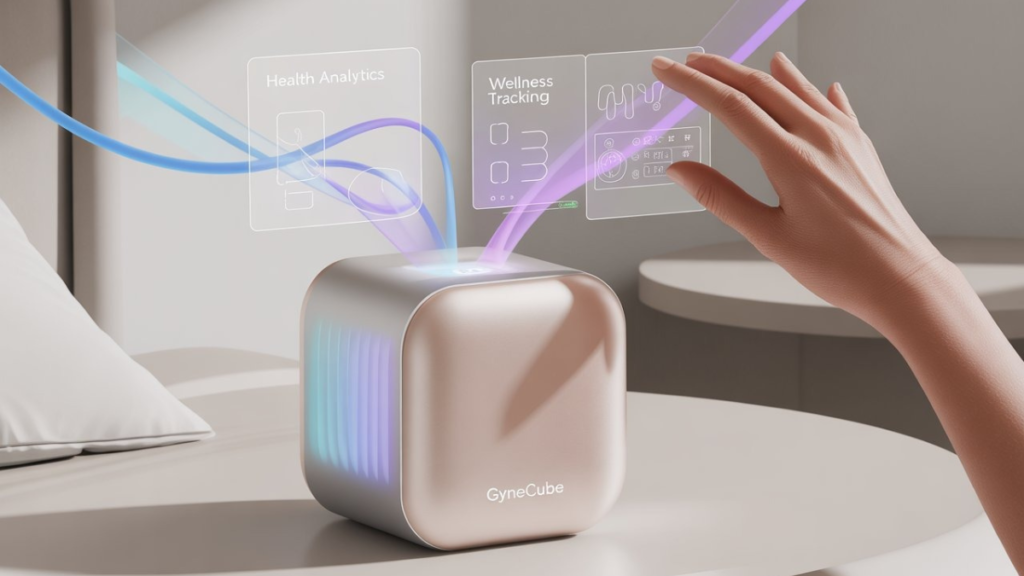
Gynecube is a term that has gained growing attention in discussions about women’s health technology, pelvic wellness, digital diagnostics, and reproductive healthcare. While the concept is still evolving, women’s health technology
is commonly described as a combination of pelvic health support technology and smart health monitoring tools designed to help women better understand and manage their reproductive health.
Interest in gynecube has increased because healthcare consumers are looking for more personalized, data-driven, and convenient ways to monitor their health. Instead of relying solely on occasional medical appointments, many women are exploring technologies that provide continuous insights into menstrual cycles, pelvic health, hormonal patterns, and overall wellness. This article explains what women’s health technology
is, how it works, its potential benefits, limitations, and future impact on women’s healthcare.
What Is Gynecube?
Gynecube is generally described as a women’s health innovation that combines physical pelvic support solutions with digital monitoring technology. Depending on the source, the term may refer to a smart gynecological platform, an AI-powered reproductive health monitoring system, or a pelvic support device enhanced by digital diagnostics.
The core idea behind women’s health technology
is to provide women with easier access to reproductive health information and support. Rather than waiting for annual examinations, users may be able to monitor trends and changes in their health through connected technologies that collect and analyze data over time. This reflects a broader trend toward preventive and personalized healthcare.
How Gynecube Works
Most descriptions of gynecube involve two major components. The first is a physical support element designed to help women experiencing pelvic floor concerns. The second is a digital platform that collects health information and provides insights through software, sensors, or artificial intelligence.
The digital aspect of gynecube may track information such as menstrual patterns, hormonal changes, fertility indicators, and reproductive health trends. Advanced algorithms can then analyze the collected data and provide users with reports, alerts, or recommendations that encourage proactive healthcare decisions.
The Technology Behind Gynecube
Modern healthcare increasingly relies on data analytics, cloud computing, machine learning, and wearable technology. Gynecube appears to fit within this broader healthcare technology movement by integrating smart monitoring systems with reproductive health management.
Artificial intelligence can potentially identify patterns that may not be obvious during routine medical visits. By monitoring trends over longer periods, smart health systems may help users recognize changes that deserve medical attention. This technology-driven approach is one reason why gynecube has generated interest among healthcare innovators and wellness advocates.
Benefits of women’s health technology
for Women’s Health
One frequently mentioned benefit of gynecube is improved awareness. Many women want greater visibility into their reproductive health, fertility cycles, hormonal fluctuations, and pelvic wellness. Continuous monitoring can provide information that helps users make more informed healthcare decisions.
Another potential advantage is convenience. Traditional healthcare often requires appointments, travel, and scheduling challenges. Digital health technologies aim to bring some aspects of monitoring into the home environment, making health management more accessible for busy individuals and those living in underserved areas.
Gynecube and Pelvic Health Support
Several descriptions of women’s health technology
focus on pelvic floor support and non-surgical management options for women experiencing pelvic organ prolapse or related conditions. In these applications, a specially designed support device may help provide structural support and reduce discomfort during daily activities.
Pelvic health remains an important but often overlooked aspect of women’s wellness. Childbirth, aging, menopause, and physical strain can affect pelvic muscles over time. Non-surgical support solutions may offer an alternative for women seeking conservative treatment options before considering more invasive procedures.
Digital Diagnostics and Preventive Care
Preventive care is becoming increasingly important in modern healthcare. The goal is to identify potential issues earlier rather than waiting until symptoms become severe. women’s health technology
aligns with this philosophy by emphasizing continuous monitoring and early awareness.
When health data is collected consistently, users and healthcare providers may gain a clearer understanding of long-term trends. This information can support conversations about reproductive health, fertility planning, menstrual irregularities, and overall wellness management. Although digital tools are valuable, they are generally intended to complement—not replace—professional medical care.
Why Gynecube Is Generating Interest
The growing popularity of health technology helps explain why gynecube is attracting attention. Consumers increasingly expect personalized experiences in every aspect of life, including healthcare. Smart devices, health apps, and connected platforms have transformed how people monitor fitness, nutrition, sleep, and wellness.
Women’s health has historically been underserved in some areas of medical innovation. As investment in femtech continues to increase, solutions like women’s health technology
are attracting attention because they focus specifically on reproductive health, pelvic wellness, and personalized care experiences.
Limitations and Important Considerations
Although gynecube presents exciting possibilities, it is important to recognize that the concept is still developing. Publicly available information varies significantly across sources, and there is not yet a universally recognized or standardized version of gynecube.
Users should approach health technologies responsibly. Digital monitoring tools can provide useful insights, but they cannot replace professional medical evaluations, laboratory testing, or physician diagnoses. Anyone considering health-related devices should consult qualified healthcare professionals before making decisions about treatment or care.
The Future of women’s health technology
The future of gynecube appears closely tied to broader developments in digital health, artificial intelligence, and women’s healthcare innovation. As technology becomes more sophisticated, reproductive health monitoring may become more accurate, personalized, and accessible.
Future versions of gynecube-related technologies could potentially integrate advanced sensors, predictive analytics, telemedicine support, and personalized health recommendations. These innovations may help bridge gaps between patients and healthcare providers while improving access to preventive care and health education.
How Gynecube Fits Into Modern Healthcare
Healthcare is increasingly shifting from reactive treatment toward proactive wellness management. Patients want tools that help them understand their health between doctor visits, and providers are exploring technologies that support ongoing monitoring and engagement. women’s health technology
reflects this larger healthcare transformation.
Whether viewed as a pelvic support solution, a reproductive health platform, or a broader women’s health technology concept, gynecube represents the growing intersection of healthcare, data analytics, and patient empowerment. Its continued evolution will likely depend on clinical validation, user adoption, and technological advancement.
Conclusion
Gynecube has emerged as an intriguing concept in women’s health technology, combining elements of pelvic support, reproductive health monitoring, digital diagnostics, and personalized wellness management. The growing interest surrounding gynecube reflects broader trends toward preventive care, patient empowerment, and healthcare innovation.
As technology continues reshaping healthcare, solutions like women’s health technology
may play an increasingly important role in helping women monitor and understand their health. While the concept is still developing, it highlights the potential for smarter, more connected, and more personalized approaches to reproductive wellness in the years ahead.
FAQs
What is gynecube?
Gynecube is generally described as a women’s health technology concept that combines pelvic health support and digital health monitoring. Depending on the source, it may involve smart diagnostic tools, AI-powered reproductive health tracking, or non-surgical pelvic support systems designed to help women better manage their health.
How does women’s health technology
work?
women’s health technology
typically works by collecting health-related information through sensors, monitoring tools, or digital platforms. The system may analyze reproductive health patterns, menstrual cycles, hormonal trends, or pelvic health indicators and provide personalized insights to users.
Is gynecube a medical device?
Public descriptions vary. Some sources describe gynecube as a pelvic support device, while others describe it as a digital health platform. Because the concept is still evolving, users should carefully review product information and consult healthcare professionals before use.
Can gynecube replace gynecologist visits?
No. Digital health tools are generally intended to support healthcare decisions rather than replace professional medical care. Regular checkups, screenings, and consultations with qualified healthcare providers remain essential.
What are the benefits of gynecube?
Potential benefits include improved health awareness, continuous monitoring, personalized insights, convenience, and greater engagement with reproductive health management. These advantages may help users make more informed healthcare decisions.
Why is gynecube becoming popular?
Gynecube is attracting attention because consumers increasingly seek personalized healthcare technologies. Growing interest in femtech, AI-driven health tools, and preventive care has helped increase awareness of concepts like gynecube.
Read More About: blogcrafters.co.uk