

Introduction
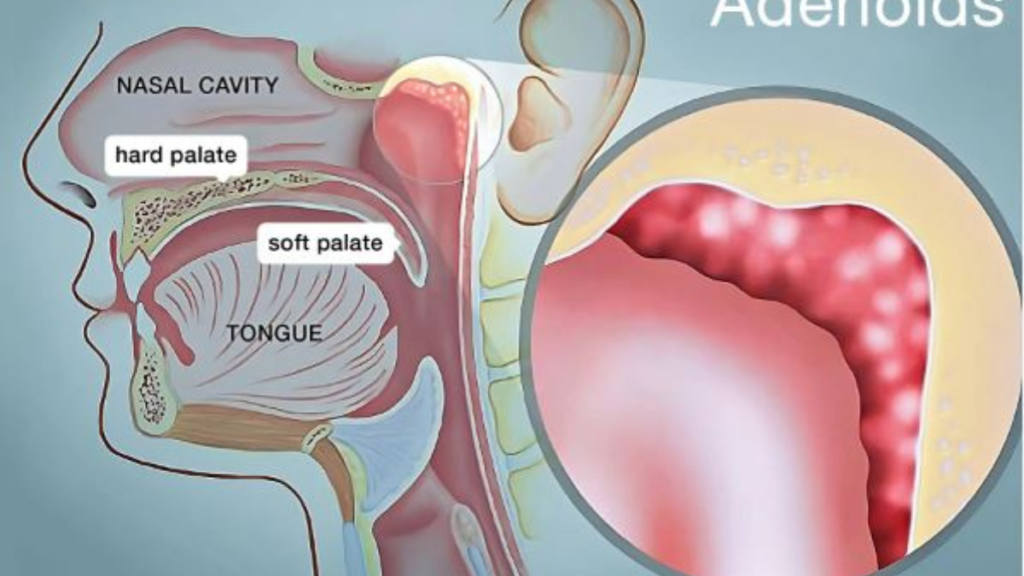
Adenoidid is a condition that involves inflammation or infection of the adenoids, which are small patches of tissue located behind the nasal cavity. Although many people are familiar with tonsils, the adenoids play an equally important role in helping the body fight germs during childhood. When these tissues become swollen or infected, they can cause a variety of symptoms that affect breathing, sleeping, and overall comfort.
Understanding is important because the condition can significantly impact quality of life if left untreated. Many individuals experience recurring nasal congestion, difficulty sleeping, frequent ear infections, and other complications. Learning about the causes, symptoms, and available treatments can help patients and families make informed healthcare decisions and seek timely medical attention when needed.
What Is Adenoidid?
Adenoidid refers to inflammation or enlargement of the adenoid tissue located at the back of the nasal passage. The adenoids are part of the body’s immune system and help trap bacteria, viruses, and other harmful organisms before they enter the respiratory tract. They are particularly active during childhood when the immune system is still developing.
As children grow older, the adenoids naturally shrink and become less important. However, when they become infected or remain enlarged, they can block airflow through the nose and contribute to recurring health issues. Although is more common in children, adults can also experience problems related to inflamed adenoids in certain situations.
Causes of Adenoidid
The most common cause of adenoidid is infection. Viral illnesses such as the common cold and influenza can trigger inflammation in the adenoid tissue. Bacterial infections may also contribute to swelling and discomfort, especially when infections occur repeatedly over time.
Environmental factors can also play a role in the development of . Allergies, exposure to cigarette smoke, air pollution, and chronic sinus problems may increase irritation in the upper respiratory tract. These triggers can cause the adenoids to remain enlarged for extended periods, leading to persistent symptoms and recurring health concerns.
Common Symptoms of Adenoidid
People with adenoidid often experience nasal congestion that does not improve easily. Because the enlarged adenoids can partially block the nasal passages, individuals may find it difficult to breathe comfortably through their nose. This often results in mouth breathing, especially during sleep.
Additional symptoms may include snoring, restless sleep, frequent awakenings, and daytime fatigue. Some individuals develop recurring ear infections because swollen adenoids can interfere with the normal function of the Eustachian tubes. Others may experience a nasal-sounding voice, chronic runny nose, or persistent throat irritation.
How Adenoidid Affects Daily Life
The effects of adenoidid extend beyond simple nasal congestion. Poor sleep quality is one of the most significant consequences. When breathing becomes difficult during sleep, individuals may experience interrupted rest, which can lead to fatigue, irritability, and reduced concentration during the day.
Children with untreated adenoidid may face additional challenges in school and social situations. Difficulty sleeping can affect learning performance, memory, and attention span. Parents often notice behavioral changes, reduced energy levels, or frequent complaints about feeling tired despite spending adequate time in bed.
Diagnosing Adenoidid
Diagnosing adenoidid typically begins with a thorough medical history and physical examination. Healthcare providers ask about symptoms such as nasal blockage, snoring, sleep disturbances, and recurring infections. Understanding symptom patterns helps determine the severity and possible causes of the condition.
In some cases, doctors may use specialized tools to examine the nasal passages and adenoid tissue more closely. Imaging studies or nasal endoscopy can provide detailed information about the size of the adenoids and whether they are obstructing airflow. These evaluations help guide treatment decisions and identify any related complications.
Treatment Options for Adenoidid
Treatment for adenoidid depends on the underlying cause and severity of symptoms. Mild cases may improve with supportive care, including adequate hydration, rest, saline nasal rinses, and management of allergies. Addressing environmental triggers can also help reduce inflammation and improve breathing.
For more severe cases, healthcare providers may recommend medications such as antibiotics for bacterial infections or nasal corticosteroid sprays to reduce swelling. When symptoms persist despite conservative treatment, surgical removal of the adenoids, known as adenoidectomy, may be considered. This procedure is commonly performed and generally produces positive outcomes.
Adenoidid in Children vs Adults
Adenoidid is much more common in children because adenoid tissue is larger and more active during early development. Children frequently encounter respiratory infections, making them more susceptible to inflammation and enlargement of the adenoids. Symptoms often include mouth breathing, snoring, and recurrent ear infections.
Adults can also experience adenoid-related problems, although they are less common. Persistent enlargement in adulthood may require additional evaluation to rule out underlying conditions. Treatment approaches are generally similar, but healthcare providers may consider different factors when determining the most appropriate management strategy.
Prevention and Healthy Habits
While it may not be possible to prevent every case of adenoidid, certain healthy habits can reduce risk. Good hand hygiene helps limit exposure to viruses and bacteria that commonly cause respiratory infections. Encouraging regular handwashing can be especially beneficial for children who attend school or daycare.
Managing allergies effectively can also help reduce inflammation in the upper airway. Limiting exposure to tobacco smoke, maintaining good indoor air quality, and seeking treatment for chronic allergy symptoms may lower the likelihood of recurring adenoid problems. A healthy lifestyle that supports immune function can further contribute to overall respiratory health.
Potential Complications of Untreated Adenoidid
When adenoidid is left untreated, several complications may develop over time. Chronic nasal obstruction can contribute to poor sleep quality and increase the risk of sleep-disordered breathing. Ongoing sleep disturbances may affect mood, concentration, and daily performance.
Recurring ear infections and hearing problems are additional concerns. Swollen adenoids can interfere with normal drainage and pressure regulation within the middle ear. In some children, prolonged hearing difficulties may affect speech development and educational progress, making early intervention particularly important.
When to See a Doctor
Medical evaluation is recommended when symptoms persist for several weeks or interfere with normal daily activities. Frequent snoring, difficulty breathing through the nose, recurring ear infections, and chronic mouth breathing are all signs that professional assessment may be necessary.
Parents should seek prompt medical attention if a child experiences severe breathing difficulties, noticeable pauses in breathing during sleep, or significant daytime fatigue. Early diagnosis and treatment can help prevent complications and improve overall quality of life for individuals affected by adenoidid.
Conclusion
Adenoidid is a common condition that can affect breathing, sleep quality, and overall health, particularly in children. Although the adenoids play an important role in immune function, inflammation or enlargement can lead to a range of uncomfortable symptoms that may require medical attention.
Fortunately, most cases of adenoidid respond well to appropriate treatment. Whether through supportive care, medications, or surgical intervention, effective management can relieve symptoms and prevent long-term complications. Understanding the condition and seeking timely care are key steps toward maintaining healthy breathing and overall well-being.
FAQs
What is adenoidid?
Adenoidid is inflammation or enlargement of the adenoid tissue located behind the nose. The condition can cause nasal congestion, mouth breathing, snoring, and recurring ear infections. It is most common in children but can occasionally affect adults as well.
What causes adenoidid?
The most common causes include viral infections, bacterial infections, allergies, and environmental irritants. Repeated respiratory illnesses may contribute to chronic enlargement of the adenoids and persistent symptoms.
Can adenoidid go away on its own?
Mild cases may improve without extensive treatment, especially when caused by temporary infections. However, persistent symptoms should be evaluated by a healthcare professional to prevent complications and ensure appropriate care.
Is adenoidid dangerous?
Most cases are not dangerous, but untreated adenoidid can lead to sleep disturbances, chronic ear infections, and hearing problems. Early diagnosis and treatment can help avoid these complications.
How is adenoidid diagnosed?
Doctors diagnose adenoidid through a combination of symptom evaluation, physical examination, and sometimes imaging studies or nasal endoscopy. These methods help determine the size and condition of the adenoids.
What treatments are available for adenoidid?
Treatment options include hydration, allergy management, antibiotics for bacterial infections, nasal sprays, and adenoidectomy when necessary. The best approach depends on the severity and underlying cause of the condition.
Can adults develop adenoidid?
Yes, although it is less common than in children. Adults with persistent nasal obstruction, recurrent infections, or enlarged adenoids may require medical evaluation to identify the cause and determine appropriate treatment.
Read More About: blogcrafters.co.uk