

Taking care of your health starts with knowing how your body works. Your heart is one of the most important organs in your body. It pumps blood every second to keep you active, healthy, and feeling good. One of the best ways to check how well your heart works is by finding your apical pulse location. Measuring this specific heartbeat gives nurses, doctors, and caregivers a accurate look at your heart rhythm.
In this guide, we will walk through everything you need to know in plain language. You do not need to be a doctor to understand your own body. We will explain where to place your stethoscope, what normal sounds hear like, and why this method gives super precise results. Whether you are helping a family member or simply curious about health, learning about the apical pulse location gives you great peace of mind.
What Exactly Is the Apical Pulse Location
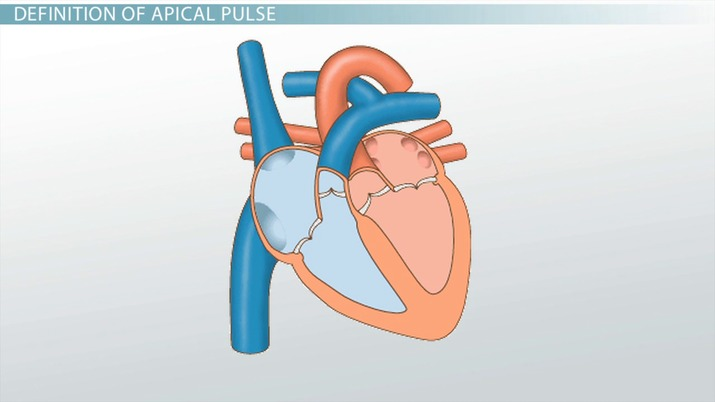
The apical pulse location points directly to the tip of your heart. This spot is located on the left side of your chest. Unlike other pulse points on your wrist or neck, this one measures heart contractions right at the source. When the heart pumps, it taps against the chest wall. You can hear and feel that exact pulse beat clearly right over this special area.
Healthcare professionals often prefer the apical pulse location over the wrist pulse. It provides the true rate and rhythm of the heart. If a person has weak blood flow or an irregular heartbeat, wrist pulses can be hard to feel. Checking the heart directly at the apical spot solves that problem completely. It gives a direct and accurate reading every single time.
Why Finding the Apical Pulse Location Matters
Checking your heart rate at the apical pulse location provides vital clues about your overall wellness. Your heart speed changes when you exercise, rest, feel stressed, or fall ill. By listening to the heart tip, you get a clear picture of how hard your engine is working. It helps catch tiny changes before they turn into bigger health problems.
Another big reason to check the apical pulse location is for medication safety. Many heart medicines require a steady heart rate before taking them. Nurses always listen to this spot for one full minute before giving certain pills. If the rate is too low or too fast, the medicine might be paused. Knowing this pulse site keeps medical care safe for everyone.
The Science Behind Your Heart Beat Sounds
When you listen to the apical pulse location, you hear a classic sound that sounds like “lub-dub.” These sounds are made by the valves inside your heart closing tightly. The first sound, the “lub,” happens when blood moves to the lungs and body. The second sound, the “dub,” happens when the heart fills back up with fresh blood.
Each double sound counts as one single heartbeat. When listening at the apical pulse location, you count both sounds together as one beat. Hearing a clear, steady rhythm means the heart valves are working smoothly. If the timing sounds skipped or uneven, it gives doctors valuable information to help fix the issue.
Where Is the Apical Pulse Location on the Body
Finding the exact apical pulse location requires knowing a few body landmarks. First, look at the left collarbone, which is the long bone at the top of your chest. Imagine a line going straight down from the middle of that bone. Next, find the spaces between your ribs, which experts call intercostal spaces.
The apical pulse location is usually in the fifth space between the ribs on the left side. It sits right along that middle collarbone line. For most adults, this spot is just below the left nipple area. Placing your hand or instrument here lets you feel the heartbeat closest to the surface.
| Measurement Factor | Radial Pulse (Wrist) | Apical Pulse (Chest) |
| Primary Location | Inside of the wrist below thumb | Left side of chest at fifth rib space |
| Measurement Tool | Two fingers (index and middle) | Stethoscope placed on skin |
| Best Used For | Quick routine health checks | Detailed heart rhythm checks |
| Ideal Listening Time | 30 seconds multiplied by 2 | 1 full minute (60 seconds) |
| Accuracy Level | Good for healthy adults | Highest accuracy for all ages |
How to Prepare Before Checking the Heart Beat
Before finding the apical pulse location, make sure the room is quiet and calm. Extra noise makes it tricky to hear subtle heart sounds. Have the person sit comfortably or lie down flat on their back. Resting for a few minutes before taking a reading helps bring the heart rate to a normal resting speed.
Gather your tools before you begin your check. You will need a stethoscope and a clock or watch with a second hand. Make sure the stethoscope chest piece is warm. Touching cold metal to skin can surprise a person and make their heart beat faster than usual. Being gentle and prepared ensures an accurate score.
Step-by-Step Guide to Locate the Apical Pulse Location
First, ask the person to relax their chest area so you can find the landmark points easily. Feel down the center chest bone until you move to the left side. Count down the rib spaces until you hit the fifth gap. Move across to match the line coming down from the center of the left collarbone. This spot is your target apical pulse location.
Next, place the flat part of the stethoscope gently over the apical pulse location. Press firmly enough to seal out room noise, but do not press too hard. Listen closely for a few seconds to get used to the rhythm. Once you hear the steady “lub-dub” sound, look at your watch and start counting the beats.
Counting Beats at the Apical Pulse Location
When counting at the apical pulse location, always measure for one full 60-second minute. Do not shortcut by counting for 15 seconds and multiplying. Listening for a complete minute allows you to catch any skipped beats or irregular patterns. Patience is key when taking vital health signs.
Each “lub-dub” combination counts as one beat. Keep your eye on the clock and count smoothly in your head. Write down the final number as soon as the minute finishes. A normal resting rate for most adults falls between 60 and 100 beats per minute. Children often have faster rates, which is completely normal for their growing bodies.
Differences in Apical Pulse Location for Kids and Adults
The apical pulse location can shift slightly depending on a person’s age and size. In small babies and young children, the heart sits a bit higher in the chest cavity. Their pulse point is located at the fourth rib space instead of the fifth. As children grow taller, the heart drops into the adult position.
For adults, body shape can also alter how easy it is to find the apical pulse location. Thicker chest tissue or deep muscles might make the beat sound quiet. Asking the person to lean forward slightly or roll onto their left side brings the heart closer to the chest wall. This simple trick makes the beat sound much louder and clearer.
Common Errors When Checking the Apical Pulse Location
One common mistake is using your thumb to feel for a pulse spot. Your thumb has its own tiny pulse, which can confuse your count. Always use a stethoscope for the apical pulse location to get clean sound rather than touch. Another mistake is moving the instrument around while counting, which creates friction noise.
Another error is counting in a noisy room. Background TV noise or talking can cause you to miss beats. Always ask for quiet while taking a heart count. Lastly, do not rush the process. Taking your time ensures that your records are accurate and helpful for your health team.
When to Contact a Healthcare Professional
Understanding your results from the apical pulse location gives you great control over your health. If you notice a heart rate consistently under 60 or over 100 beats at rest, tell your doctor. Also, reach out if the rhythm sounds very irregular, chaotic, or skips beats frequently.
Never hesitate to seek advice if someone feels dizzy, weak, or short of breath alongside unusual heart counts. Your notes on their heart rate will help your doctor make smart decisions quickly. Monitoring health at home is a powerful step toward a long, happy life.
Frequently Asked Questions
What is the main benefit of checking the apical pulse location?
Checking the apical pulse location provides the most accurate measure of heart rate and rhythm. It listens directly to heart contractions rather than blood moving through arm arteries.
Can I find the apical pulse location without a stethoscope?
You can feel the beat with your fingers at the apical pulse location, but using a stethoscope is much easier and far more accurate for counting clear sounds.
Is the apical pulse location the same for men and women?
Yes, the anatomical landmarks for the apical pulse location are the same. It sits at the fifth rib space along the mid-clavicular line on the left chest side for both men and women.
What does an irregular rhythm at the apical pulse location mean?
An irregular rhythm means the heart is not beating in a steady pattern. It could be caused by stress, caffeine, or underlying heart conditions that a doctor should evaluate.
Why do nurses listen to the apical pulse location for a full minute?
Nurses count for a full minute at the apical pulse location to catch subtle rhythm variations and ensure safe dosing for heart medications.
What is a normal heart rate found at the apical pulse location?
A normal resting heart rate for healthy adults at the apical pulse location ranges between 60 and 100 beats per minute.
Conclusion
Finding and understanding the apical pulse location is a practical skill that supports long-term health tracking. By learning where the heart tip sits and how to listen correctly, you can gather clear health data for yourself and your loved ones. Remember to take your time, keep the space quiet, and always count for a full minute. Keeping track of your heart rhythm offers confidence and helps you work closely with healthcare experts to stay feeling your best every day.